Storing photos, messages, calendars, or client details in the cloud sounds easy-until it isn’t. If you’re doing sex work, whether online or in person, your digital life isn’t just personal. It’s your livelihood. And if something goes wrong, the fallout can be devastating. You might think iCloud, Google Drive, or Dropbox are safe because they’re popular. But popularity doesn’t mean protection. Many people in sex work have lost access to their accounts overnight-no warning, no appeal, no explanation. And once your files are gone or flagged, recovering them is nearly impossible.
Some workers use services like escortes dubai to connect with clients in specific regions, and those platforms often handle their own data differently than mainstream cloud services. But even then, relying on third-party platforms for your own records is risky. If you’re keeping client lists, payment records, or appointment logs, you need to ask: who owns this data? Who can access it? And what happens if the service shuts down or gets pressured by law enforcement?
Why Cloud Storage Is a Trap for Sex Workers
Cloud services aren’t built for people who need secrecy. They’re built for convenience. That means they scan your files. They flag keywords. They report suspicious activity-even if that activity is legal in your state. A photo of you in lingerie might get auto-flagged as "adult content." A document with the word "booking" or "rate" could trigger a manual review. Once flagged, your account gets suspended. Sometimes your entire identity gets locked out. No human calls you. No email explains why. You’re just gone.
And it’s not just about losing files. If you’ve used the same email or phone number across multiple platforms, one breach can expose everything. Your real name. Your address. Your family members. Your social media. All of it becomes traceable. That’s why so many workers who used Google Drive or Dropbox ended up getting doxxed or targeted by predators after their accounts were compromised.
What Happens When Your Account Gets Banned?
Imagine waking up and finding your entire photo archive gone. Your calendar with client appointments? Deleted. Your encrypted notes about safety protocols? Gone. You try to contact support. No reply. You try to appeal. No response. You check your bank account-payments from clients are still coming in, but you can’t access your records to reconcile them. That’s not a technical issue. That’s a crisis.
Cloud providers don’t care if you’re a single parent working online to pay rent. They don’t care if you’re following all local laws. Their terms of service are written to protect their shareholders, not you. And when governments pressure them to remove "adult content," they comply without hesitation. In 2024, over 12,000 sex worker accounts on major platforms were permanently banned without notice. Many of those users had no history of violations. They were flagged by automated systems that can’t tell the difference between consensual adult content and illegal material.
What Should You Use Instead?
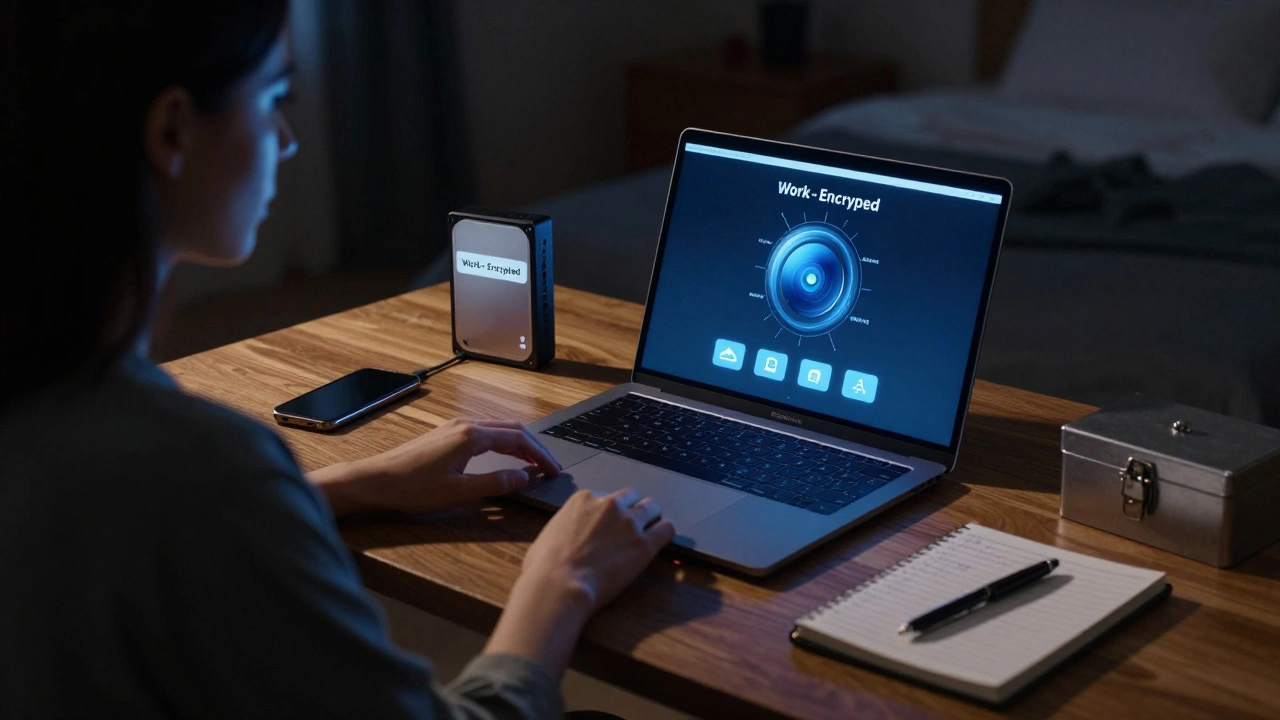
Stop storing sensitive data in the cloud. Period. Instead, use local encryption. That means keeping files on your own device-phone, laptop, external drive-and locking them with strong encryption. Tools like Veracrypt (for computers) or Encrypted Notes (for iOS/Android) let you create password-protected vaults that no one else can open. Even if your device is stolen, the data stays locked.
Use a separate burner phone for work. Don’t link it to your real name, email, or address. Use a different SIM card. Use a different payment method. Keep your personal life and your work life completely separate. If you’re using an app like Signal for messaging, make sure you’re not syncing chats to the cloud. Turn off backups. Store everything locally.
For backups, use encrypted external drives. Keep one in a safe place at home, and another in a trusted friend’s house. Don’t use cloud-based backup tools like Time Machine or Google Backup. Those sync automatically-and they’re not private.
How to Organize Your Files Without the Cloud
You don’t need fancy software to stay organized. Here’s a simple system:
- Create a folder called "Work" on your encrypted drive.
- Inside it, make subfolders: "Clients," "Payments," "Schedules," "Safety Notes."
- Name files using codes, not real names. Example: "C-042125.txt" instead of "John Smith - Booking.txt".
- Use a password manager like Bitwarden to store login details for your work accounts-never save them in your browser.
- Never use the same password twice. Ever.
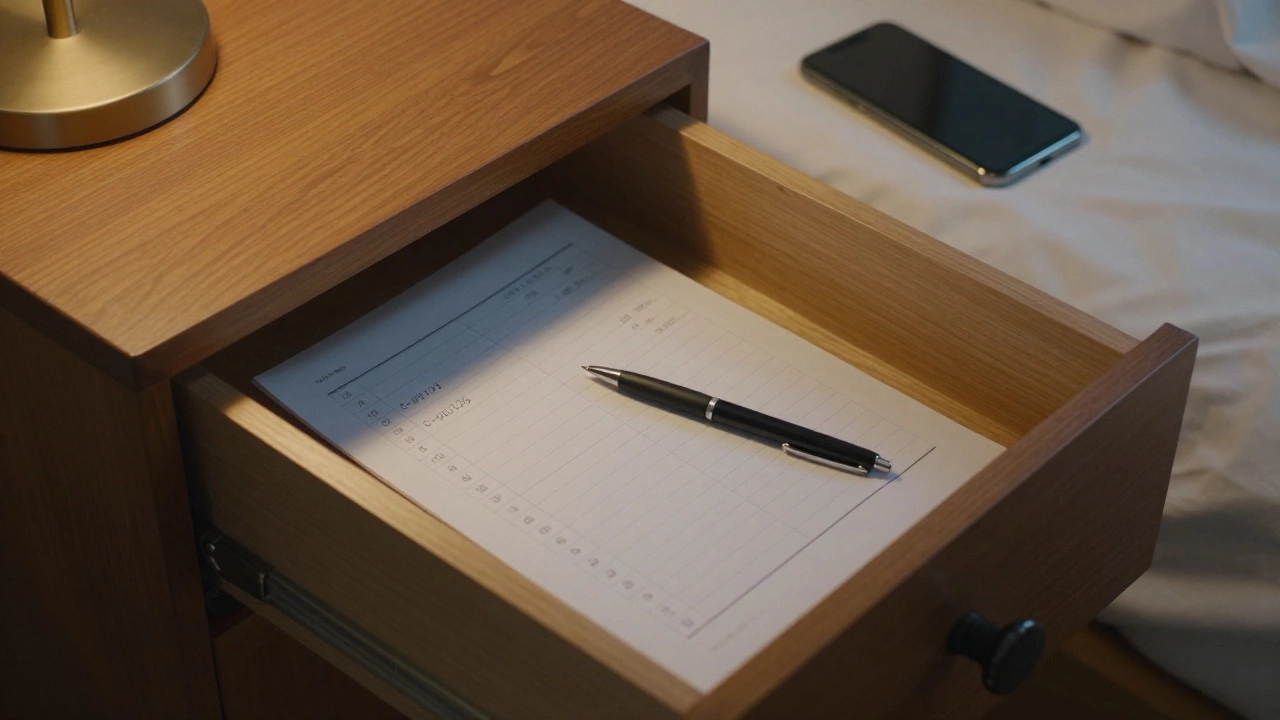
Keep a printed copy of your schedule in a locked drawer. Write down emergency contacts. Include local legal aid numbers, trusted friends, and your preferred lawyer. If you’re ever arrested or threatened, this paper trail can save you.
What About Platforms Like Escortes Dubai?
Platforms like escortes dubai exist because they cater to specific markets and operate under different legal frameworks. But even those platforms aren’t foolproof. They can disappear overnight. They can change their rules. They can hand over your data if pressured. That’s why you should never rely on them as your primary storage or communication tool. Use them for outreach, not record-keeping.
Think of them like a public bulletin board. You post your availability there. But your real files-the ones that matter-stay offline, encrypted, and under your control. That’s the only way to stay safe.
Red Flags That You’re Already at Risk
Ask yourself these questions:
- Do you use your real name in any file or message related to work?
- Have you ever synced your work photos to iCloud or Google Photos?
- Do you use the same email for personal and work accounts?
- Have you ever clicked "Remember Password" on a work-related site?
- Do you store client info in your phone’s notes app?
If you answered yes to any of these, you’re already at risk. The good news? It’s not too late to fix it. Start today. Move your files. Change your passwords. Delete old backups. Lock everything down.
Final Rule: Assume Everything Is Watched
There’s no such thing as "private" on the internet. Even end-to-end encrypted apps can be compromised if your device is hacked. The only true privacy comes from physical control. If you don’t have the physical key to unlock it, it’s not yours.
Sex work is work. And like any other job, you need to protect your tools. Your data is your inventory. Your notes are your contracts. Your schedule is your income. Treat them like you would treat cash or jewelry. Lock it up. Hide it well. Don’t leave it where anyone can find it.
There’s no app, no cloud, no service that will keep you safe if you’re not the one holding the keys. Stay smart. Stay offline. Stay in control.
Write a comment